The CDC is protecting against bird flu

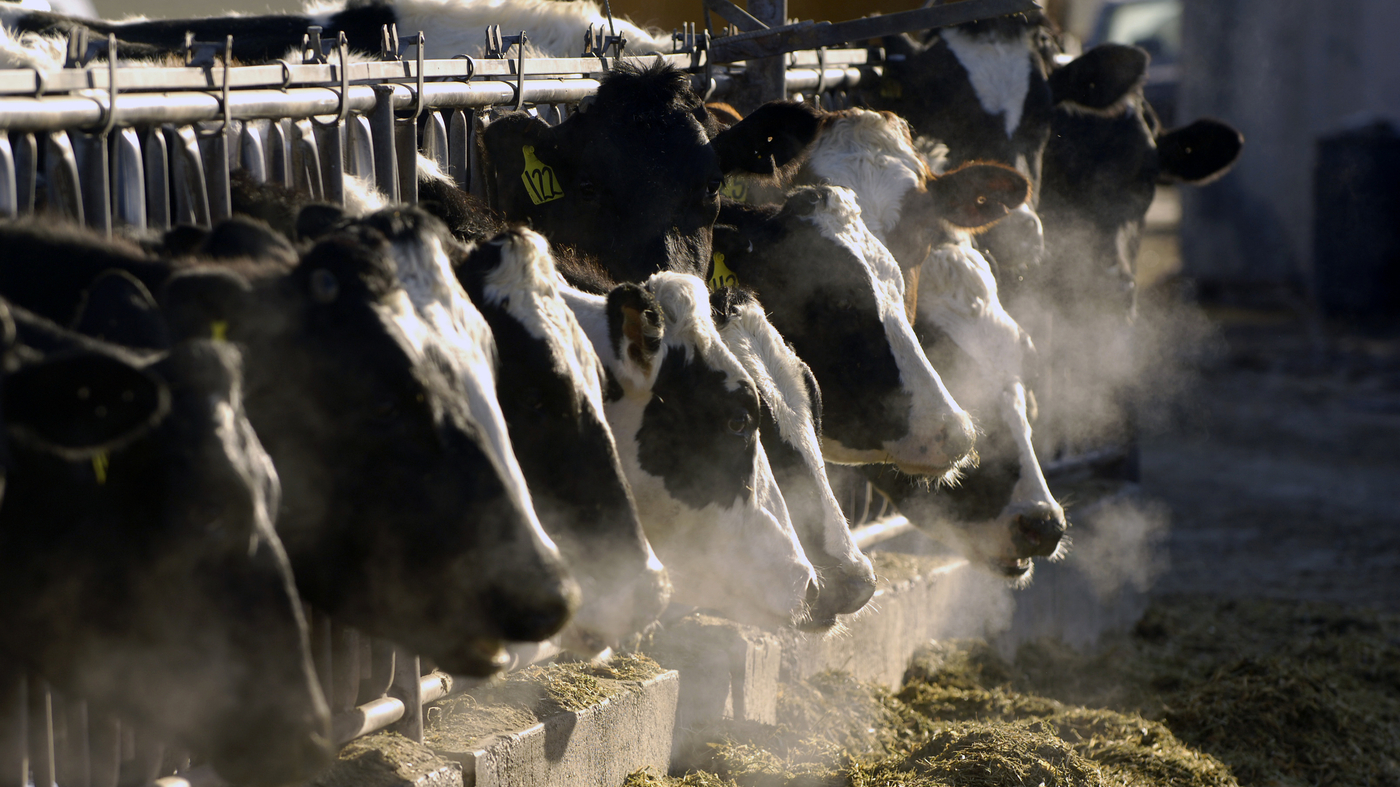
Seeing bird flu in cowboys: The first time we’ve seen bird flu, and what can we do about it? A New Report on the Dallas Cowboys Disease Epicenter
According to a report, there was a illness in dairy cattle on the Texas Panhandle and other states. He says it is not certain how many of the cases can be attributed to bird flu.
Government and health officials say that the risk to the public remains low, since there have been no recorded instances in the U.S. of human-to-human transmission of avian flu.
The director of the Centers for Disease Control and Prevention spoke with All Things Considered host Ari Shapiro about the risks and the government’s response.
Cohen: It’s true, this is the first time we’ve seen bird flu in cattle. We are seeing this virus in a group of animals that are mammals, and so this is a new reservoir or a group of animals. And that just means more opportunity for this virus to mutate and change. That is what we want to make sure we stay ahead of.
If people are afraid to report cases, then will cases go under the radar? Whatever the reason, whether it’s owners who don’t want their operation shut down or workers who don’t have health insurance, we all have something in common.
So far, the virus does not appear to have mutated in a way that would make it significantly more dangerous. It’s concerning, but the case is similar to how people usually catch these viruses through exposure to a sick animal.
Shapiro: Monitoring whether it continues to spread and evolve is one thing – preparing for the possibility that it might is another. In a New York Times opinion piece, columnist Zeynep Tufekci said the government needs to gear up to potentially mass produce vaccines quickly. Do you agree with that?
A Global Perspective on Mammalian Influenza and Severe Illness: How Do Cows Live, Eat, and Become Sick?
It’s not true that cows are dying because they are falling sick. The commercial milk supply is not at risk, so far, according to federal officials.
Evidence suggests infected wild birds may have been the initial source of the infection, but “it’s hard to explain exactly what’s going on without some degree of mammal-to-mammal spread,” says Webby.
“We are in fairly unprecedented, uncharted territory, globally in relationship to avian influenza,” says Dr. Peter Rabinowitz, director of the UW Center for One Health Research.
Sequencing of the virus in the Texas patient did show “minor changes,” includung one mutation associated with viral adaptation to mammals that’s appeared in other human cases, according to a report from the Centers for Disease Control and Prevention.
“It doesn’t look like there’s any indication that this has adapted itself to spread efficiently between humans, and to routinely cause severe disease,” says Rasmussen, a virologist at the Vaccine and Infectious Disease Organization at the University of Saskatchewan.
Severe illness has been reported in other countries as a result of recent human infections. This is a viruses that can cause a lot of disease when it happens, but it isn’t very well-equipped to get into humans.
“If you’re exposed to bird feces, if you’re exposed to dead birds, if you’re around a lot of live birds, you’re going to be exposed to more of that,” says Rasmussen.
Unlike the seasonal influenza viruses that can spread among humans, H5N1 doesn’t have the ability to easily attack our upper respiratory tract, so it tends to not spread among humans.
However, the virus can bind to receptors in the lower respiratory tract. “If you develop respiratory infections with bird flu, you can get very, very sick with severe pneumonia because the receptors are deep in the lungs,” says Rasmussen.
The recent case in Texas also raises the possibility of “mucosal exposure,” meaning the person may have come in contact with the virus and then touched their eyes, although the details and what that might mean for tranmission are unclear, she says.
“The way people are telling me it gets on their farm and moves, I’d be very surprised if this was not being spread from cow to cow,” says Joe Armstrong, a veterinarian at the University of Minnesota.
But scientists worry about sustained mammal to mammal transmission of avian influenza because that gives the virus more opportunities to adapt to that host and acquire mutations that could make it better suited to mammals.
There are a couple of “maladaptive” changes the virus has evolved that haven’t yet been seen in cows.
Unlike pigs — known to be intermediary hosts for human and bird viruses — there is no data that show that cows are an important intermediary host for these viruses, she says.
Source: What to know about the risks of the bird flu outbreak
A Dr. Mandy Cohen: Vaccining the Avian Influenza in the U.S. When Is The First Evidence of Transmission?
“In general, we have not paid a lot of attention to these workers, even though they’ve often been sort of like the canary in the coal mine, the first evidence of a transmission event,” says Rabinowitz.
‘The United States has been preparing for avian flu outbreaks for more than 20 years,” CDC director Dr. Mandy Cohen told NPR’s All Things Considered. When we first saw the novel virus, we didn’t have tests or treatment, but we did have the vaccine.
Immune-stimulating ingredients, known as adjuvants, can be added to these older vaccines in order to broaden the immune response so that it better covers mismatched strains. In addition, mRNA technology could be leveraged to produce new vaccines, says Dr. Wilbur Chen, at the University of Maryland’s School of Medicine.
The dean of Brown University’s school of public health says that if there are more cases in humans, they are most likely other farm workers.
But he says it’s not yet time to start mobilizing a larger pandemic response — say, pumping out millions of vaccines — because the chances that will be needed are very very low.
“If you are seeing it widespread in farm workers, you want to think about vaccinating farm workers. He says that if you see it in non farm workers with evidence of human-to-human transmission you will want to think about vaccination a larger group of the population.
A bird flu expert said there’s no indication that the virus has adapted itself to spread efficiently between humans and to ” routinely cause severe disease”. “If you develop respiratory infections with bird flu, you can get very…sick with severe pneumonia because the receptors are deep in the lungs,” she added. There have been no reported cases of human-to-human transmission of bird flu in the US.